Best Technologies for Custom Software Development in 2026
As we approach 2026, the landscape of custom software development is continuously evolving. Innovations are driving the industry forward, offering tools and technologies that enhance efficiency, scalability, and customization. With the fast-paced advancements, being well-versed in the latest trends and technologies is crucial for businesses seeking to leverage custom solutions effectively. This blog post covers the most promising technologies poised to dominate custom software development in 2026.
Emerging Programming Languages
The programming languages we use shape the robustness and scalability of custom software solutions. In 2026, expect to see some languages gaining traction while others maintain their stronghold due to their continued relevance and community support.
Rust
Rust continues to be a favorite among developers for its focus on safety and performance. It’s particularly well-suited for systems programming and is increasingly used in web development. The memory safety guarantees and excellent concurrency model make it a preferred choice for developing highly efficient applications.
fn main() {
    println!("Hello, future software world!");
}
With a motivated developer community and increasing adoption by top tech companies, Rust’s growth seems unabated. By 2026, expect its influence to be even more significant in custom software development, particularly where performance is critical.
Kotlin
The Kotlin programming language remains popular, especially in Android and server-side development. Its interoperability with Java and improved readability make it an excellent choice for new projects and for refactoring legacy systems with better code quality. By 2026, Kotlin is expected to dominate mobile development alongside Swift for iOS applications.
Artificial Intelligence and Machine Learning
Artificial Intelligence (AI) and Machine Learning (ML) have already made significant strides in software customization. Their role in custom software development will only seem to grow exponentially by 2026.
AI-driven Code Generation
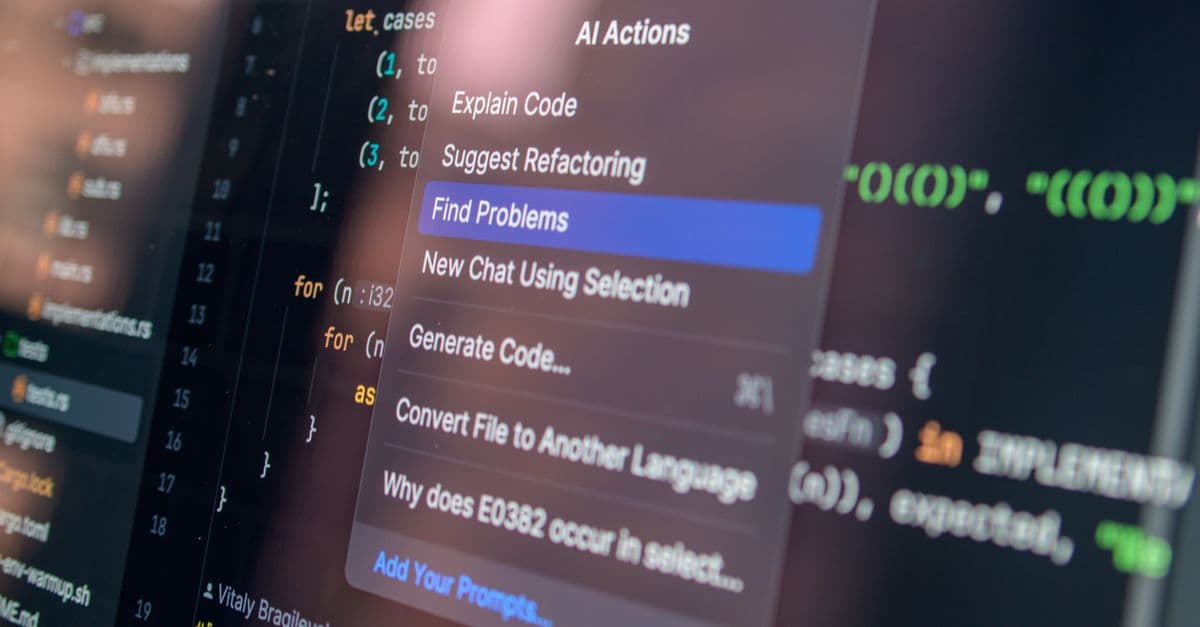
AI-powered coding assistants will become more advanced, helping developers write better code faster. These tools will integrate seamlessly into IDEs, not only suggesting code completions and snippets but proactively optimizing and refactoring existing code. The proliferation of AI-driven code generators will reduce time-to-market and help custom software maintain high standards of quality and performance.
Machine Learning Algorithms
Incorporating Machine Learning algorithms in custom software improves personalization and decision-making processes. By 2026, ML will be a standard feature in many applications, predicting user behavior and customizing content and functionalities effectively.
Cloud Computing and DevOps
Cloud computing solutions are essential for modern software development, offering scalability, reliability, and security for custom applications. By 2026, the integration of cloud services with DevOps practices will further streamline development workflows.
Serverless Architecture
Serverless computing offers a compelling model, removing the need for infrastructure management. It allows developers to focus entirely on writing code to create scalable applications. As a result, costs are optimized, and developers can launch products faster. In 2026, serverless architecture will remain highly influential in custom software development due to these advantages.
Continuous Integration/Continuous Deployment (CI/CD)
The adoption of CI/CD practices is critical to ensure that software development is continuous, iterative, and responsive to user feedback. By 2026, the automation of deployment processes will allow developers to make frequent and reliable updates to software products.
Blockchain Technology
Blockchain technology, best known for cryptocurrencies, has vast potential applications in secure transaction processing and beyond. As transparency and security become top priorities, its role will expand significantly in custom software projects.
Smart Contracts
Utilizing smart contracts can help automate and enforce agreements within custom software solutions. By 2026, expect smart contracts to be integral to applications requiring secure, verifiable transactions without intermediaries.
Decentralized Applications (dApps)
Decentralized applications are already disrupting various industries, from finance to supply chain management. Their trustless nature ensures data integrity and security. Moving forward, dApps will become increasingly prevalent in custom software development due to these characteristics.
Conclusion
To stay competitive in the fast-paced tech industry, adopting the best technologies for custom software development is essential. By 2026, emerging programming languages, AI-driven solutions, cloud advancements, and blockchain dynamics will play crucial roles in shaping innovative and efficient software solutions. Businesses and developers must keep abreast of these trends to ensure they’re harnessing technology’s full potential to meet ever-evolving customer needs.
Stay ahead of the curve by embracing these technologies in your custom software projects. Remember, the right blend of tools not only enhances performance but also secures your place in the burgeoning digital economy.
Discussion
0 Thoughts on this article