
Future of AI in Software Development
As technology continues to evolve at a breathtaking pace, Artificial Intelligence (AI) is becoming an integral part of the software development landscape. This revolutionary technology is reshaping how developers create, test, and deploy software, promising a future where AI-fueled tools could transform every phase of development. But what exactly does this future look like? How will AI impact software development in the coming years? In this article, we’ll delve into these questions, exploring potential scenarios and challenges AI may bring to the software development industry.
The Current Intersection of AI and Software Development
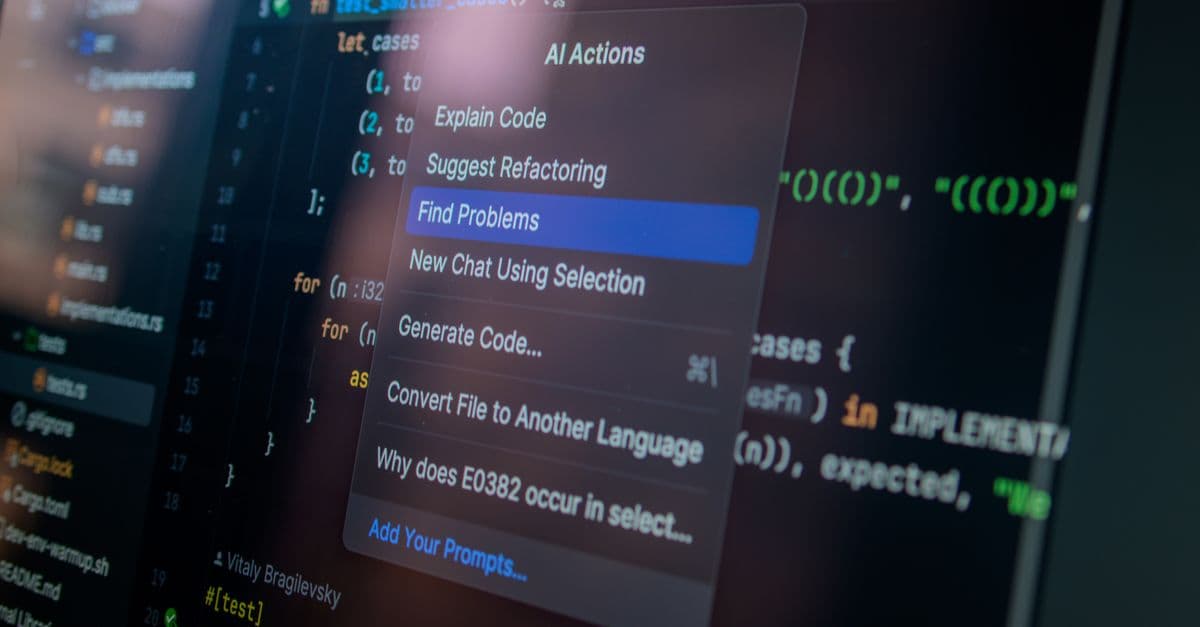
AI has already begun making significant inroads into software development, providing invaluable tools that aid in various tasks. From automating mundane coding duties to enhancing software testing, AI helps developers boost their productivity while reducing errors. Current AI applications in software development include tools like GitHub Copilot, which leverages machine learning to predict and suggest code snippets as developers type.
AI-driven testing tools also exemplify how AI can streamline the verification and validation processes. Automated testing frameworks powered by AI can detect bugs and vulnerabilities more efficiently than traditional methods, ensuring that software releases are more stable and reliable.
Moreover, AI enhances decision-making processes. By analyzing vast amounts of data, AI assists in making informed decisions regarding software design, performance optimization, and feature prioritization. This data-driven approach enables developers to create software that more closely aligns with user needs and market demands.
AI’s Potential Roles in Future Software Development
Automated Coding and Bug Fixing
The vision of having AI that can autonomously write and debug code may soon be more reality than fantasy. AI’s ability to learn from vast datasets allows it to generate code snippets that could significantly shorten development cycles.
Imagine a near future where AI systems automatically complete software components based on high-level specifications provided by developers. Such a system could also identify inefficiencies or bugs, suggesting or even implementing fixes without human intervention. This approach not only accelerates development but also enhances the quality of software outputs.
# AI-generated Python function example
def calculate_factorial(n):
    if n == 0:
        return 1
    else:
        return n * calculate_factorial(n - 1)
Enhancing Human Creativity and Collaboration
While AI can take over repetitive tasks, it can also augment human creativity. By handling the heavy lifting of code production, developers can focus on high-level problem-solving and innovation. AI systems may assist by providing insights from previous projects or predicting the impact of design decisions.
Additionally, AI could foster collaborative development. Intelligent platforms might facilitate more fluid communication among team members by summarizing key points or suggesting areas for collaboration based on ongoing projects and skills within the team.
Challenges and Ethical Considerations
Despite the promising future of AI in software development, several challenges and ethical considerations need to be addressed. Privacy concerns arise from AI processing large amounts of data, while dependency on AI could lead to skills erosion among developers.
Furthermore, ethical programming becomes crucial as AI starts creating substantial parts of the code. Developers and organizations face the responsibility of ensuring AI systems adhere to ethical guidelines, preventing biases or undesirable outcomes.
There is also the question of accountability—who is responsible for errors when AI writes the code? These complex issues require careful thought to balance technological advancement with social responsibility.
Conclusion: Embracing the Future
The future of AI in software development holds exciting possibilities that could revolutionize the industry. Whether through automating tasks, enhancing creativity, or fostering collaboration, AI promises a shift towards more efficient and innovative development processes. However, navigating challenges such as ethical considerations and potential skills impact is crucial.
As technology continues to evolve, developers, researchers, and industry leaders must collaborate to ensure that the integration of AI into software development brings positive advancements and minimizes negative repercussions. By embracing these changes thoughtfully, the industry can leverage AI to create a future where software development is faster, more reliable, and potentially transformative.
For more insights into AI and software development trends, consider exploring articles and resources from reputable tech portals or experts in the field.
Discussion
0 Thoughts on this article