
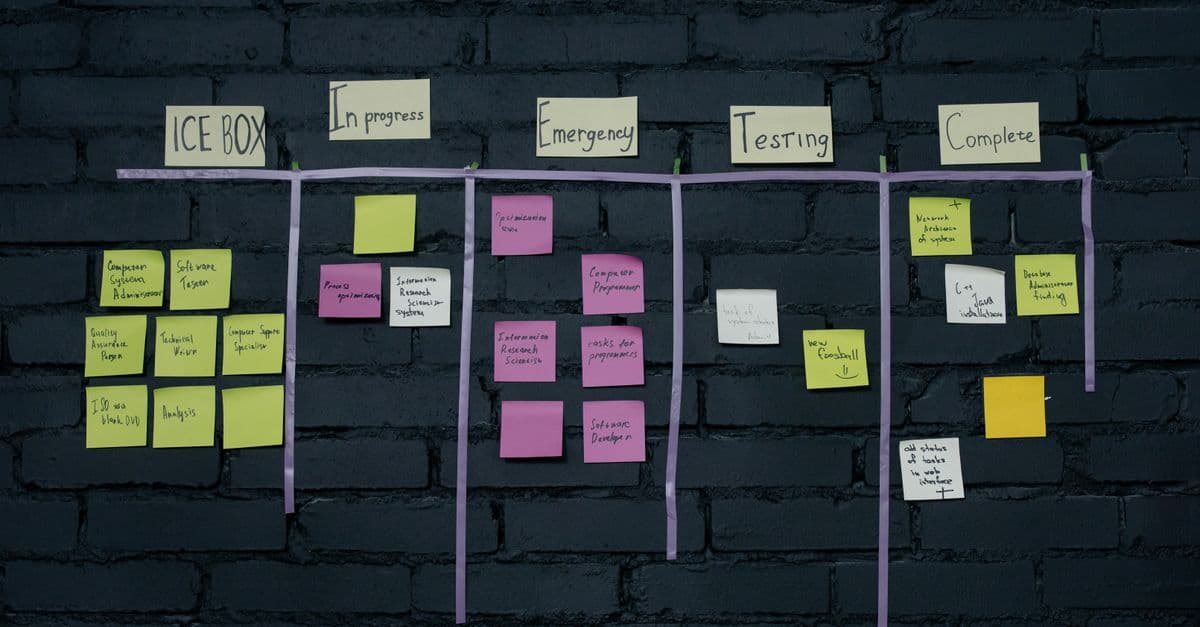
How Agile Development Improves Project Success
In the constantly evolving IT industry, project success is paramount but often elusive. Factors such as changing requirements, market volatility, and technological advancements contribute to project complexity. Agile development has emerged as a powerful methodology to navigate these challenges. By prioritizing flexibility and customer collaboration, Agile is now synonymous with increased project success. In this blog, we explore how Agile development improves project success and why it should be an integral part of your project management strategy.
Understanding Agile: What Sets It Apart?
Agile is more than a buzzword—it’s a revolution in project management practices. Unlike traditional methodologies, which emphasize exhaustive planning, Agile focuses on iterative development, collaborative teams, and delivering customer value from day one. This dynamic approach caters to rapidly changing requirements that typify modern IT projects.
By breaking down projects into smaller, manageable parts, Agile facilitates continuous feedback and iterative enhancements. This ensures that each project phase builds upon the lessons learned from the preceding ones. The result is a project that is not only completed on time but is also aligned with stakeholder expectations.
The Core Principles of Agile
- Customer satisfaction through early and continuous software delivery
- Welcome changing requirements, even late in development
- Frequent delivery of working software
- Close, daily cooperation between business stakeholders and developers
- Projects built around motivated individuals
Boosting Collaboration and Communication
One of the highlights of Agile is its emphasis on team collaboration and effective communication. Agile practices foster an environment where developers, stakeholders, and clients interact regularly. This collective endeavor ensures that every team member is on the same page, significantly reducing the risk of misunderstandings and misgivings.
Daily stand-up meetings, also known as scrums, serve as a podium for team members to discuss progress, address hurdles, and plan work for the upcoming period. This transparent communication loop empowers teams to swiftly tackle challenges, keeping the project on track at all times.
“The most efficient and effective method of conveying information to and within a development team is face-to-face conversation.” – Agile Manifesto
Tools That Aid Agile Communication
- JIRA for task management and tracking
- Slack for real-time communication
- Trello for visual project management
- Zoom for remote meetings
Enhanced Flexibility and Adaptability
The Agile methodology thrives on its flexibility. With traditional models like the Waterfall method, projects tend to become rigid with predetermined, non-negotiable milestones. Agile shuns this rigidity for a more adaptable framework. It divides large projects into sprints or iterations, allowing incremental progress and ample room for changes as per client needs or market conditions.
If a new feature becomes essential mid-project or a requirement is redefined, Agile accommodates these alterations effortlessly. By facilitating real-time responsiveness, Agile development enhances the probability of project success and relevance in a dynamic market.
Agile in Action: A Code Snippet Example
def iterative_development(features):
    for feature in features:
        implement(feature)
        feedback = collect_feedback(feature)
        improve(feature, feedback)

    return "Project Success!"

def implement(feature):
    print(f"Implementing {feature}...")

def collect_feedback(feature):
    # Collect feedback from stakeholders
    return "Feedback on " + feature

def improve(feature, feedback):
    print(f"Improving {feature} based on {feedback}...")
Delivering Consistent Customer Value
Agile puts customer needs at the forefront, making it a customer-centric approach. By involving the client throughout the development process, Agile ensures alignment with business goals and customer expectations. In turn, this leads to higher satisfaction and more successful projects.
Delivering smaller but functional pieces of the project early and often means customers can experience a portion of the benefits without waiting for full completion. This incremental delivery model not only builds trust but also allows clients to assess and suggest adjustments to the product as it takes shape.
Benefits of Incremental Delivery
- Reduced time to market
- Early client feedback
- Continuous improvement and refinement
- Increased stakeholder engagement
Conclusion: A Winning Approach for Modern IT Projects
In conclusion, Agile development is a cornerstone for achieving project success in today’s fast-paced IT landscape. By fostering collaboration, flexibility, and a strong focus on customer value, Agile practices not only ensure project success but also sculpt a product that is resilient to the ever-changing digital world.
Integrating Agile into your project management arsenal could well be the difference between a project that merely completes and one that exceeds expectations. Embrace Agile and let your projects soar to new heights of success.
Discussion
0 Thoughts on this article