
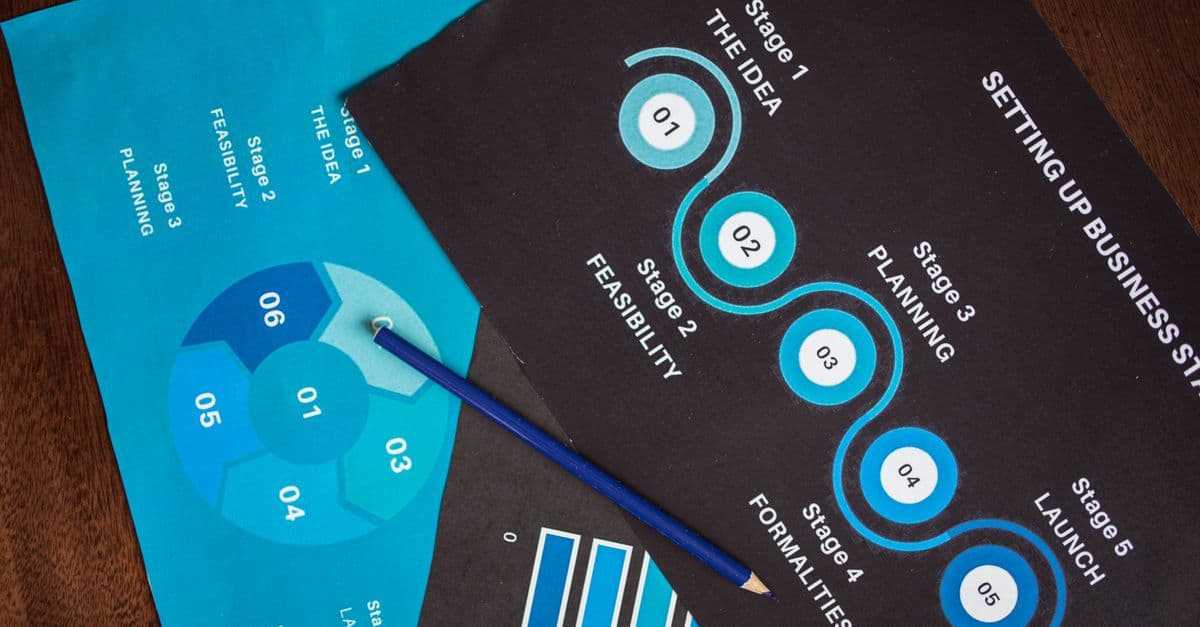
Software Development Life Cycle Explained
Software development is at the heart of modern technology, transforming ideas into reality through coding and design. Understanding the **Software Development Life Cycle (SDLC)** is crucial for developers, project managers, and stakeholders alike. This cycle provides a structured framework to guide projects from concept to completion, ensuring that the final product meets user needs while maintaining quality and efficiency. In this blog post, we will delve deep into the phases of the SDLC, offering insights into each stage’s significance and how they contribute to successful software development.
What is the Software Development Life Cycle?
The Software Development Life Cycle (SDLC) is a systematic process that helps software developers and project managers design, develop, and test high-quality software. It aims to produce software that meets or exceeds customer expectations, within time and budgetary constraints. The **SDLC** provides a series of steps that offer a framework for the planning and control of the creation and delivery of software systems.
The SDLC consists of several distinct stages, each with its goals and deliverables. By breaking down the broad task of software development into more manageable phases, teams can ensure more predictable and consistent results. Additionally, having a formal SDLC framework helps in identifying bottlenecks and improving process efficiency.
Why is SDLC Important?
Adopting an SDLC framework provides several benefits:
- Improved Quality: Systematic testing and evaluation are integral to the cycle, enhancing quality and reliability.
- Cost Management: Early identification of errors and planning leads to minimized costs throughout the project lifecycle.
- Enhanced Project Management: Structured phases facilitate better allocation of resources, time estimation, and decision-making.
The Phases of the Software Development Life Cycle
1. Planning and Requirement Analysis
This initial phase is crucial for gathering necessary information and understanding the project requirements. The primary objective is to determine the project’s purpose and its scope, which includes:
- Identifying stakeholders and their needs
- Conducting a feasibility study to assess the project’s viability
- Gathering and analyzing requirements from users
Effective requirement analysis helps prevent project misdirection and ensures alignment with stakeholder expectations.
2. Design
During the design phase, the software’s architecture is created to serve as a blueprint for development. This phase involves:
- Creating detailed design specifications
- Deciding on technical architecture and technology stack
- Developing data models and workflows
The design phase is crucial because it lays the foundation for the next stages of the SDLC. By having a clear plan, developers can build the software in a structured and efficient manner.
3. Implementation (Coding)
The implementation phase involves the actual writing of code and transforming the design specifications into a functional product. Key activities include:
- Coding according to the defined standards
- Using code management tools to maintain consistency
- Performing initial testing
// An example of a simple Java program
public class HelloWorld {
    public static void main(String[] args) {
        System.out.println("Hello, World!");
    }
}
This phase is often the most time-consuming part of the cycle and requires meticulous attention to detail to ensure a smooth and error-free codebase.
4. Testing
Testing is performed to identify defects or bugs and ensure that the software functions as intended. This phase involves:
- Unit testing, integration testing, and system testing
- Validation against requirements
- Bug fixing and retesting
The importance of thorough testing cannot be overstated as it guarantees the reliability and quality of the software before deployment.
5. Deployment
Once testing is complete, the software is deployed to the end-users or a production environment. This phase may include:
- Setting up the production environment
- Implementing user training programs
- Monitoring system performance
An effective deployment ensures that the software is ready for use and that any issues are swiftly addressed.
6. Maintenance
The final phase of the SDLC is maintenance, where ongoing support and refinements are made. Maintenance involves:
- Addressing user-reported issues
- Updating software to accommodate changes in user needs
- Ensuring compatibility with new technologies
This phase is crucial for the long-term success and adaptability of the software product.
Conclusion
The Software Development Life Cycle is a vital element in the field of software engineering, providing a structured means to deliver high-quality software effectively. By understanding and following the stages of the SDLC—planning, design, implementation, testing, deployment, and maintenance—organizations can create software that meets user needs and enhances operational efficiency. As technology continues to evolve, the SDLC will remain a foundational process in ensuring successful and sustainable software development.
Discussion
0 Thoughts on this article